
 Technical Data Sheet
PDF,
Technical Data Sheet
PDF,


Europe


North America


Your country is not on the list, but you want to order our filaments?

Select a filament category:
Choose brand:




About Us Learn more about our company.

How it's made Check how the production of our filaments looks like.

News Curious what's new in our company?

Download Browse Safety Data Sheets & Technical Data Sheets.

Spool dimensions Check dimensions of all our spools.

Filament drying Prepare the filament for printing in the right way.

Material comparison Choose the right filament for your application.




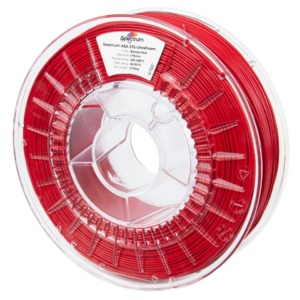
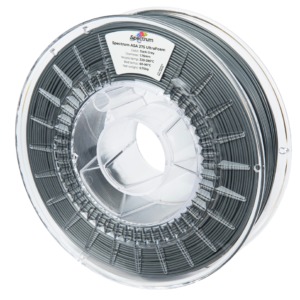
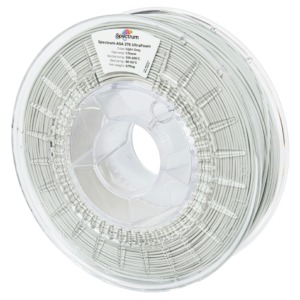
 Refill available
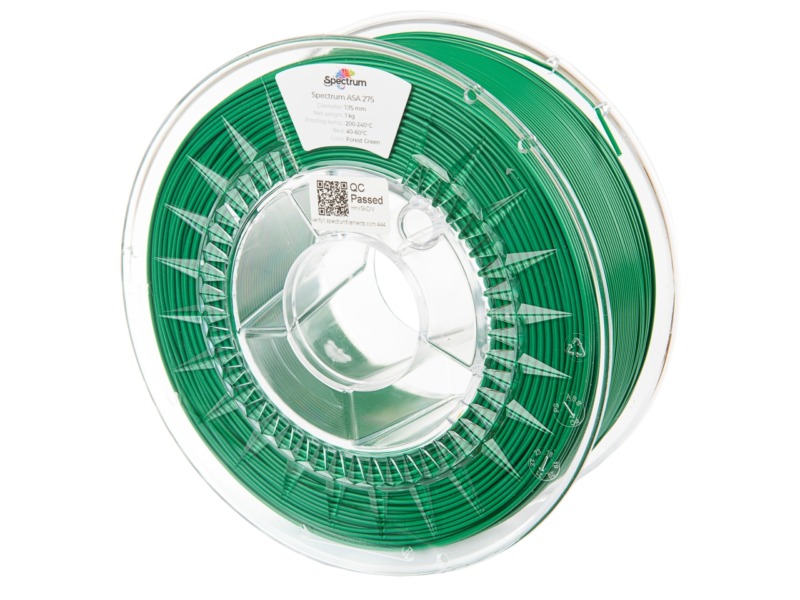 Refill available
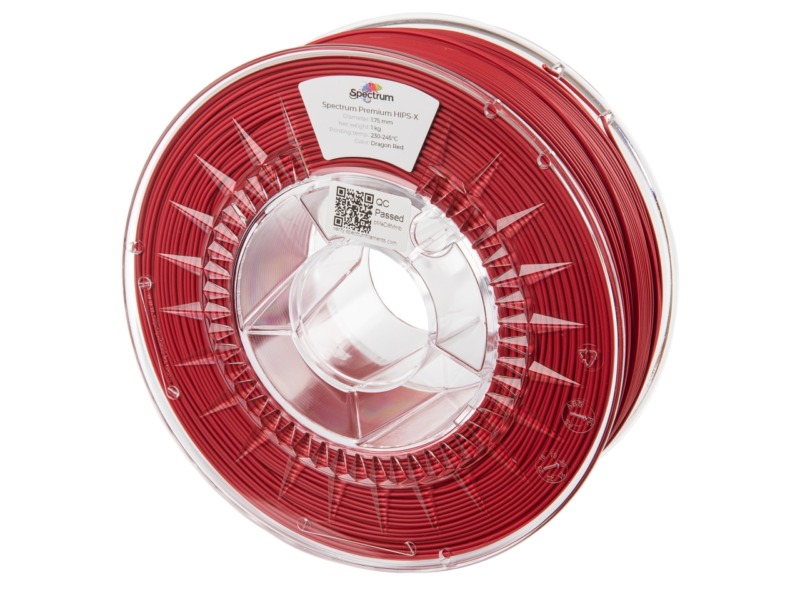
 Refill available
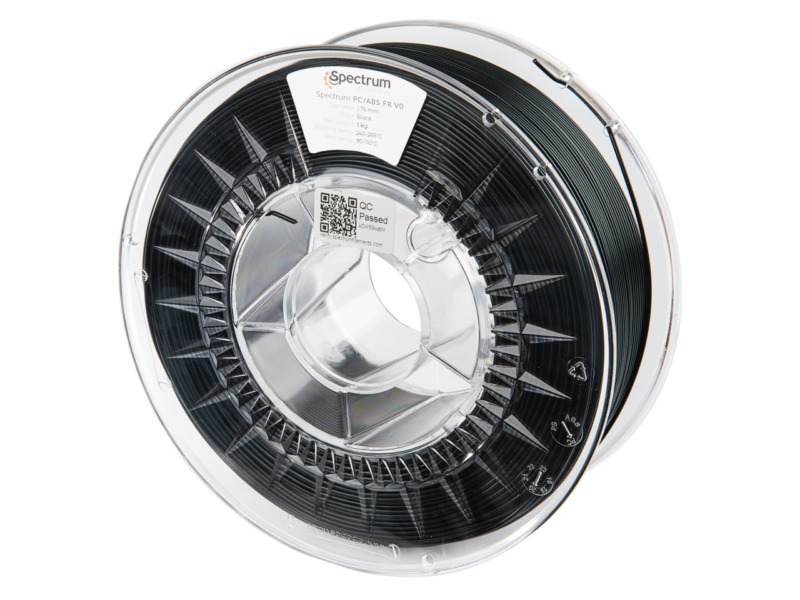
 Refill available

Check filament parameters using our comparison tool.

Check out our tool to verify purchased filaments.

Order directly from the official Spectrum Filaments online shop.
A wide range of products
Wide portfolio consisting of over 50 filaments with a versatile range of properties and applications, divided into three segments: desktop easy-to-use, industrial grade and high performance.
High quality
Innovation, extrusion know-how and highest quality filaments are the pillars of Spectrum philosophy. Our team is working continously on the development of new materials and their applications.
European made
All filaments from our portfolio are in-house made. We use modern production lines equipped with non-standard solutions to obtain highest quality final product.
Professional technical support
Our qualified support team helps at every stage from material selection to the 3D printing process.
Select Your Country
Europe
North America
Your country is not on the list, but you want to order our filaments?

Spectrum is now available in North America!
We’ve opened our new warehouse in North America to serve you faster, better and locally.
Explore our portfolio and enjoy local service!